




Key Takeaways
- The meaning of anhedonia at its simplest is the reduced ability to feel pleasure or interest in things you once enjoyed.
- Anhedonia is a core symptom of depression and can also appear in other mental health conditions, so it is worth taking seriously.
- It often stems from changes in the brain’s dopamine-driven reward system, which shapes both motivation and pleasure.
- Because it can look like emotional numbness, apathy, or simple tiredness, anhedonia is easy to overlook — in yourself and in others.
- Anhedonia is treatable. Therapy, medication, and lifestyle changes can help restore motivation and the capacity for joy, and Treat Mental Health Washington can help you get started.
Have you ever noticed that the things that used to light you up — music, food, time with friends, a hobby you loved — suddenly feel flat, as if the color has drained out of them? That experience has a name, and understanding the meaning of anhedonia can be the first step toward getting help. Anhedonia is more than a bad day or a passing mood; it is often a signal that something deeper, like depression, deserves attention.
What Is Anhedonia and How It Manifests in Daily Life
Anhedonia is the diminished ability to experience pleasure or interest in once rewarding activities. The word comes from Greek roots meaning “without pleasure,” and clinicians generally describe two forms. Social anhedonia is a reduced enjoyment of being around other people, while physical anhedonia is a reduced pleasure from physical experiences such as eating, touch, music, or sex. In daily life, it can show up as skipping activities you used to look forward to, feeling indifferent during moments that should be enjoyable, or going through the motions without any spark. It is not laziness or a character flaw, but a genuine change in how the brain processes reward.
The Neurochemistry Behind Pleasure Loss
Much of what we experience as pleasure and motivation is governed by the brain’s reward system, often called the mesolimbic dopamine circuit. Researchers distinguish two related processes: “wanting” — the motivation to pursue a reward — and “liking,” the pleasure felt when you receive it. Dopamine is especially tied to the wanting side, which is why anhedonia often shows up first as a loss of drive to pursue enjoyable things, not just a dampening of the pleasure itself. When this circuitry is disrupted, the ordinary rewards of life stop registering, and pleasure loss sets in.
Anhedonia as a Core Depression Symptom
Anhedonia is not just associated with depression — it is one of its defining features. The loss of interest or pleasure is one of the two hallmark criteria clinicians use to diagnose major depressive disorder, alongside persistent low mood. Because it sits at the heart of the condition, recognizing anhedonia as a depression symptom matters: it can be an early warning sign, a marker of severity, and a target for treatment. It can also appear in other conditions, including bipolar disorder, schizophrenia, PTSD, and Parkinson’s disease, which is another reason a professional evaluation is valuable.
Why Emotional Numbness Often Goes Unrecognized
One reason anhedonia slips under the radar is that it frequently feels like emotional numbness rather than obvious distress. Instead of crying or feeling visibly sad, a person may simply feel flat, detached, or indifferent — present in their life but disconnected from it. Because our culture pictures depression as tearfulness or despair, this quieter, muted experience is easy to misread as stress, burnout, or just being tired. People may not even have the words for it, describing themselves as “fine” while quietly losing interest in everything. This is exactly why emotional numbness deserves attention rather than dismissal.
The Difference Between Sadness and Pleasure Deficit
Sadness and anhedonia are related but distinct. Sadness is an active, felt emotion — a heaviness or pain that you are clearly experiencing. Anhedonia, by contrast, is more of an absence: the pleasure and interest that used to be there simply are not. You can feel sad without having anhedonia, and you can have anhedonia without feeling especially sad. This difference matters because someone with a pleasure deficit may not look “depressed” in the way people expect, which can delay them from reaching out for support.
Dopamine Deficiency and Its Role in Motivation Loss
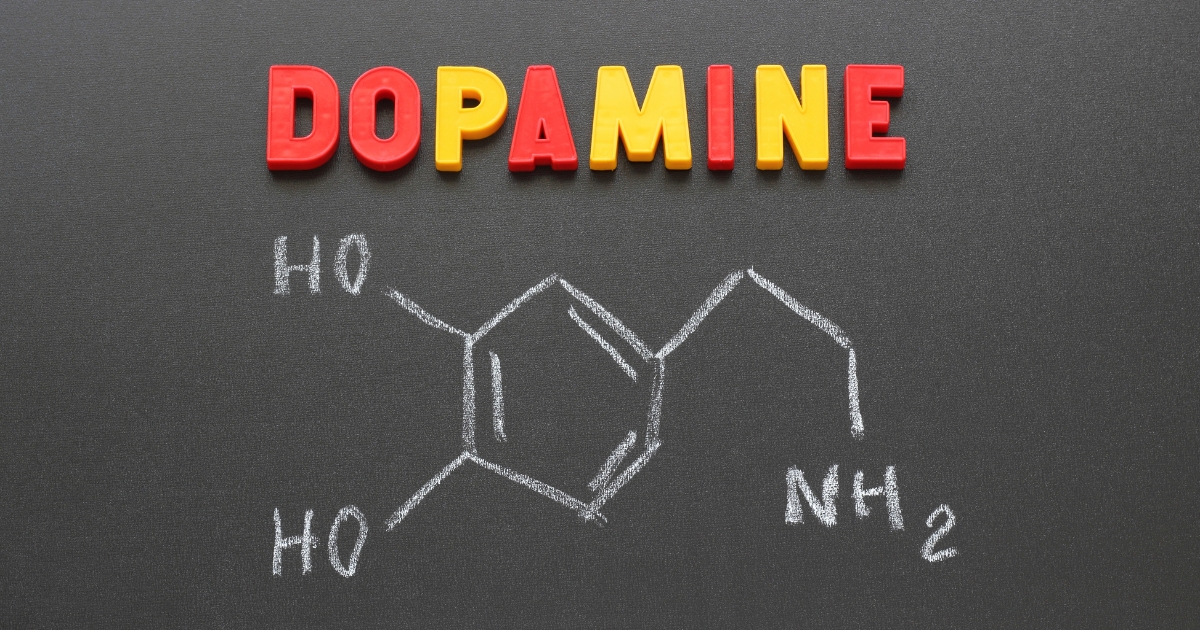
Dopamine is often called the brain’s motivation chemical, which helps explain why anhedonia and lost drive so often travel together. When dopamine signaling in the reward circuit is reduced or dysregulated — a state sometimes loosely described as a dopamine deficiency — the brain struggles to attach reward and momentum to everyday activities. The result is not only reduced pleasure but reduced motivation: tasks that once felt worthwhile start to feel pointless or exhausting even to begin. This is why lack of motivation is such a common companion to anhedonia. It is not that a person will not try; it is that the internal signal that normally makes effort feel worth it has grown faint.
Recognizing Apathy in Yourself and Others
Apathy — a general lack of interest, enthusiasm, or concern — is one of the most visible faces of anhedonia. In yourself, it might look like no longer bothering with hobbies, letting messages pile up, or feeling indifferent about plans you once enjoyed. In others, it can appear as withdrawal, reduced initiative, or flatness in someone who used to be engaged. Because apathy can be mistaken for laziness or moodiness, it is easy to judge rather than support. Seeing apathy as a possible sign of an underlying issue — in a friend, a family member, or yourself — opens the door to compassion and, often, help.
When Lack of Motivation Becomes a Mental Health Concern
Everyone feels unmotivated sometimes, so how do you know when it is more than an off week? The key signals are duration, breadth, and impact. If a lack of motivation and loss of interest persist for two weeks or more, spread across most areas of life rather than one, and interfere with work, relationships, or self-care, it may point to a mental health disorder such as depression. Other warning signs include changes in sleep or appetite, difficulty concentrating, feelings of worthlessness, and withdrawal from people. When these patterns show up together and persist, it is time to talk to a professional rather than wait for it to pass.
The Connection Between Inability to Feel Pleasure and Emotional Withdrawal
The inability to feel pleasure rarely stays contained; it tends to ripple outward into how a person connects with the world. When social interactions no longer feel rewarding, reaching out to friends or showing up for gatherings starts to feel like effort without payoff, so people gradually pull away. This withdrawal is self-reinforcing: isolation removes the very positive experiences that might reignite pleasure, deepening disconnection and loneliness. It helps explain why anhedonia can quietly shrink someone’s world — and why gently re-engaging with people and activities, with support, is such an important part of recovery.
Moving Forward: Treatment Options and Recovery Pathways
The encouraging reality is that anhedonia is treatable, and the capacity for pleasure can be restored. Because it is usually a symptom of an underlying condition, effective treatment starts with addressing that root cause, most often depression. Common, evidence-based approaches include psychotherapy — particularly cognitive behavioral therapy and behavioral activation, which gently help people re-engage with rewarding activities — along with antidepressant medication when appropriate. Lifestyle matters too: regular physical activity has been shown to support mood and reward function, and steady routines around sleep and connection reinforce progress. Recovery is rarely instant, but with the right plan, pleasure and motivation typically return over time.
How Professional Support Addresses Pleasure Loss
A mental health professional brings tools that are hard to assemble alone. Treatment usually begins with a thorough assessment to understand what is driving the pleasure loss and rule out medical contributors. From there, a clinician can tailor a plan — combining therapy, medication, and behavioral strategies — and adjust it based on how you respond. Just as importantly, professional support offers structure and accountability when motivation is low, which is often the exact barrier that makes self-help so hard. With guidance, small steps toward re-engagement become manageable, and those steps are frequently what reopens the door to feeling again.
Reclaiming Your Life With Help From Treat Mental Health Washington
If the color has drained out of the things you used to love, please know that this is a recognized, treatable experience — not a personal failing, and not something you have to endure. Reaching out is a sign of strength, not weakness. At Treat Mental Health Washington, our licensed clinicians understand how pleasure loss, low motivation, and emotional numbness can take hold, and they work with you to find the approach that fits your life and goals. You do not have to navigate this alone, and feeling better is possible.
Ready to take the first step? Contact Treat Mental Health Washington today to speak with our team and start moving toward recovery. If you are in crisis or thinking about harming yourself, call or text 988 to reach the Suicide and Crisis Lifeline any time, day or night.

FAQs
-
How does the meaning of anhedonia differ from simply feeling sad or depressed?
The meaning of anhedonia centers on the absence of pleasure and interest, whereas sadness is an actively felt emotion. You can feel deeply sad and still enjoy a few things, or feel little sadness yet find that nothing brings you joy anymore. Anhedonia is a specific loss of the ability to experience reward, which is why it can be present even when a person does not appear obviously down.
-
Can dopamine deficiency cause loss of interest in activities you once enjoyed?
Disruption in the brain’s dopamine-based reward system is closely linked to the loss of interest that defines anhedonia. Because dopamine drives motivation and the anticipation of reward, reduced or dysregulated signaling can make once-enjoyable activities feel unappealing or not worth the effort. It is usually one piece of a larger picture rather than the whole story, so a professional assessment is important.
-
Why might emotional numbness go unnoticed as a serious mental health disorder?
Emotional numbness is quiet by nature, so it rarely draws the attention that visible distress does. People often describe themselves as “fine” while feeling detached, and because depression is commonly pictured as sadness rather than flatness, this muted presentation gets mistaken for stress or fatigue. That is why persistent numbness, indifference, or loss of interest is worth discussing with a professional even when things seem outwardly okay.
-
What physical symptoms accompany apathy and inability to feel pleasure?
Anhedonia and apathy often come with physical signs such as fatigue, low energy, changes in appetite or weight, disrupted sleep, and slowed movement or speech. Some people also notice reduced interest in physical pleasures like food, touch, or music. These bodily changes reflect the same shifts in mood and reward processing, and they can make it even harder to find the energy to seek help.
-
How long does treatment typically take to restore motivation and emotional response?
Recovery timelines vary from person to person and depend on the underlying cause and treatment approach. Some people notice improvements within a few weeks of starting therapy or medication, while for others meaningful change unfolds gradually over a few months. Consistency tends to matter more than speed, and a clinician can set realistic expectations and adjust the plan as your motivation and capacity for pleasure return.
References
- Anhedonia: what it is, causes, symptoms and treatment — Cleveland Clinic. https://my.clevelandclinic.org/health/symptoms/25155-anhedonia
- Heshmati, M., & Russo, S. J. (2015). Anhedonia and the brain reward circuitry in depression. Current Behavioral Neuroscience Reports, 2(3), 146–153. https://pmc.ncbi.nlm.nih.gov/articles/PMC4626008/
- Anhedonia in schizophrenia and major depression: state or trait? — NCBI/PMC. https://www.ncbi.nlm.nih.gov/pmc/articles/PMC2764701/
- Depression — National Institute of Mental Health (NIMH). https://www.nimh.nih.gov/health/publications/depression