Skip to content






Most individuals would attempt to attribute nose bleeding to dry air, allergies, or some minor injury. However, stress can be a contributor. Although this could be a surprise, scientists increasingly find out that stress and nosebleeds are not as unrelated as we think. Stress influences our blood pressure, hormonal levels, and internal protection mechanisms, placing us even farther at risk of abrupt bleeding attacks.
This blog discusses the relationship between stress and bloody noses, medical factors, and measures to cope with stress-induced nosebleed management and enhance overall well-being.
Introduction to Nosebleeds and Stress
Epistaxis, or nosebleeds, is bleeding associated with the breaking and rupturing of small vessels in the nose. They are prevalent, with more than 60 percent of the population having them at least once in their lives, though similarly, only 10 percent of the cases require medical intervention.
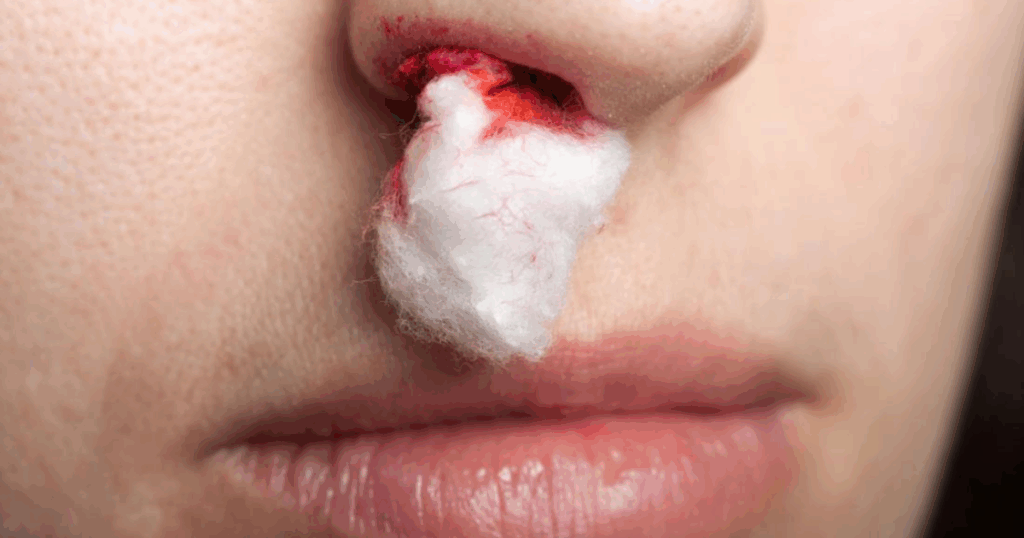
The main causes are usually dry air, allergies, sinus infections, trauma, and problems with blood clotting. Nevertheless, another frequently neglected factor is stress, which affects the cardiovascular and nervous systems and might result in bleeding episodes.
The Connection Between Stress and Nosebleeds
When human beings pose, can stress lead to bloody noses? The answer to it is not as simple. Stress does not particularly cause damage to nasal tissues, but rather results in a cascade of events within the body that increase the likelihood of a nosebleed. The studies have pointed out that the frequency of nosebleeds is more common in high-stress or high-anxiety individuals than in the general population, which is contributory evidence that stress may be the major cause.
The key processes that relate stress to nosebleeds are:
- Hypertension due to stress: The elevation of blood pressure under the influence of stress may harm a typical nose by bursting sensitive blood vessels.
- Fluctuations in cortisol: Cortisol is a hormone that improves immune response and is elevated by chronic stress, which can affect the stability of blood vessels.
- Anxiety behaviors: Stressful individuals could have more frequent rubbing, picking, or blowing the nose, which irritates them.
Medical Causes of Nosebleeds
Although stress makes an impact, one should not neglect medical reasons. Common triggers include:
- Stuffy (especially in winter), Amate petite indoor air.
- Nose trauma (nose picking, vigorous sneezing, injury).
- Colds or sins against the nose.
- Blood-clotting-related disorders or medication to prevent blood clots.
- Hypertension is exacerbated by stress.
- Ecological pollution of smoke or chemicals.
How Stress Impacts Physical Health
Stress is not simply a weight of the mind but it develops the physical strain that can be measured. One way in which the effects of stress can be extensive is because, according to the American Institute of Stress, 60-80 per cent of all primary care visits are caused by chronic stress.
- Strain of the heart – This is because in times of stress, blood pressure and heart rate increase increasing the fragile blood vessels in danger.
- Hormonal changes – Cortisol and adrenaline exceed their limits during stress, and the body is not in balance.
- Immunosuppressed response – Stressful situations diminish the immune system; therefore, creating more susceptibility towards the contraction of infections that cause inflammation of the nasal passages.
- Inflammation – Prolonged stress predisposes the human body to systemic inflammation that suppresses the strength of blood vessel walls.
Symptoms and Warning Signs of Stress-Related Nosebleeds
Understanding that stress can also be a contributor to the development of nosebleeds that is covert can help prevent it.
Common signs include:
- Nosebleeds are known to occur during times of anxiety, deadlines, or emotional stress.
- The stress symptoms that come with the episodes include headaches, a fast heartbeat, or sweating.
- Able to have nosebleeds without clear physical extrinsic conditions to provoke them (dried up air, allergies, or trauma).
Preventive Measures for Stress-Induced Nosebleeds
Nosebleeds may be greatly lowered through action undertaken to curb stress:
- Stress management strategies – Breath deeply, meditate, or do yoga, to control cortisol and BP.
- Keep hydrated – Nasal passages are more hydrated, so they can hardly bleed.
- Humidify – helped to ensure that nasal membranes were not weak due to dryness.
- Measured nasal attention – Do not forcefully blow and pick your nose, especially when worried.
- Limit stimulants – Cut down on caffeine and nicotine, which may increase blood pressure surges.
When to Seek Medical Attention for Nosebleeds
Nosebleeds that occur are most of that nature and end up in 10-15 minutes. Medical care, though, is necessary unless:
- The length of bleeding is over 20 minutes with pressure.
- Nosebleeds are quite distinct, or great.
- You have other underlying conditions, such as clotting disorders, hypertension, or are taking blood thinners.
- The nosebleed is a sequela of an injury to the head or face.
Lifestyle Changes to Manage Stress and Reduce Nosebleeds
Stress-related nosebleeds can be successfully prevented by including lifestyle changes:
| Lifestyle Change | How It Helps |
| Regular Exercise | Lowers stress hormones and improves circulation |
| Mindfulness Practices | Reduces anxiety and prevents stress spikes |
| Balanced Nutrition | Supports vascular health and reduces inflammation |
| Adequate Sleep | Restores hormonal balance and immune function |
| Social Support | Talking with friends or counselors reduces emotional strain |
Take Control of Your Wellness With Treat Mental Health Washington
Treat Mental Health Washington realizes how deeply stress can influence physical and emotional health. Stress does not necessarily influence mood and efficiency but can cause some outcroop symptoms such as nosebleed. Evidence-based care in our team is an interrelation of the strategies aimed at stress management, therapy, and wellness, in order to help regain control.
You should not allow stress to eat up your health. Call Treat Mental Health Washington today and discover how we may help you live a healthier, balanced life.
FAQs
How does stress-related epistaxis occur, and what are the common triggers?
Epistaxis that is linked to stress takes place when body experiences high levels of stress, which trigger high blood pressure, elevated cortisol levels or when symptoms of stress such as nervous behavior trigger irritation of the nose. Some causes are common stress caused by emotions, anxiety and physical strain.
Can anxiety and nosebleeds be linked, and what role does psychological stress play?
Yes, anxiety may increase blood pressure and trigger such a habit as nose rubbing/blood-inducing nose blowing. The psychological stress undermines the body’s systems and predisposes the occurrence of nosebleeds.
What impact do cortisol levels have on stress-induced nosebleeds?
In chronic states, cortisol, the main stress hormone, compromises the compatibility of the immune system and blood vessels, causing the nasal vessels to rupture easily.
How can elevated blood pressure due to stress contribute to nosebleeds?
Stress raises blood pressure, and weakened vasculatures in the nose might break under the additional pressure. Individuals with chronic H.T. are particularly prone during stressful situations.
What are effective strategies to prevent emotional stress nosebleeds?
Proper hydration, relaxation methods, and humidifiers help protect the nasal passages. Combining stress management with healthy lifestyle changes decreases the rates of emotional stress-related nosebleeds.