




Key Takeaways
- Virtual psychiatrists provide complete care. Evaluation, diagnosis, prescribing, and ongoing management all happen remotely.
- Better access, better outcomes. Removing barriers means people get help sooner and stay in treatment longer.
- The evidence is strong. Telepsychiatry matches in-person care for many conditions.
- Consistency drives success. Easier follow-up supports the ongoing care that mental health treatment requires.
- It’s cost-effective. Virtual care often reduces the time and expense of getting treatment.
Getting to a psychiatrist has traditionally meant long waits, long drives, and limited options — barriers that leave many people without the care they need. Virtual psychiatrist services are changing that, and in doing so, they’re improving not just access but actual treatment outcomes.
Remote psychiatric care isn’t a compromise; for many people it’s an upgrade. By making expert care easier to start and easier to sustain, virtual services help more people get well and stay well. Here’s how.
How Virtual Psychiatrist Services Are Reshaping Modern Mental Health Care
A virtual psychiatrist is a licensed physician who provides psychiatric care remotely — evaluating symptoms, diagnosing conditions, prescribing medication, and managing treatment through secure video. This model has reshaped mental health care by extending expert treatment beyond the walls of a clinic to anyone with an internet connection, addressing a long-standing shortage of accessible psychiatric care.
The Rise of Telepsychiatry in Contemporary Treatment
Telepsychiatry has moved from the fringes to the foundation of modern care. A persistent national shortage of psychiatrists left many regions underserved, and virtual care rose to meet the need. As supportive policies expanded and technology improved, telepsychiatry proved reliable and effective, cementing its place as a standard, respected mode of treatment rather than a stopgap.
Why Remote Consultations Deliver Better Outcomes
Remote care can actually improve outcomes, largely by removing friction:
- Faster access, so treatment starts when it’s needed.
- Better follow-through, since convenient visits are easier to keep.
- Consistent management, crucial for medication.
- Care at home, reducing stress and stigma.
- Wider provider access, including specialists.
When care is easier to start and maintain, people stay engaged longer — and engagement is what produces results.
The Core Benefits of Online Therapy for Depression and Anxiety Management
Depression and anxiety are among the most common reasons people seek psychiatric help, and both respond well to virtual care. A virtual psychiatrist can accurately assess these conditions, prescribe and monitor medication, and coordinate with a therapist for a complete approach. The convenience of remote care is especially valuable for anxiety and depression, where low energy or avoidance can make leaving home for an appointment a genuine obstacle. Federal reviews of telehealth for behavioral health services confirm how widely remote care now reaches people needing depression and anxiety treatment.
Psychiatric Consultation in the Digital Age
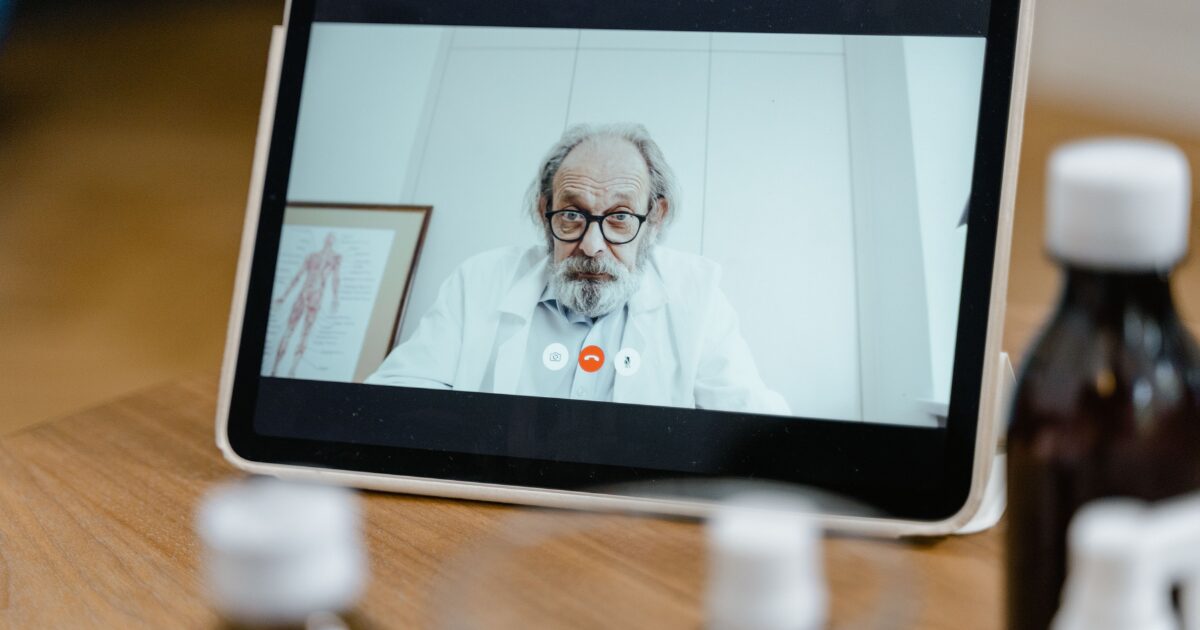
A virtual psychiatric consultation covers the same essentials as an in-person one: a thorough discussion of symptoms, history, and goals, leading to a diagnosis and treatment plan. Conducted over secure video, it gives the psychiatrist the information needed to help, minus the commute and waiting room. For most psychiatric care, which centers on conversation rather than physical examination, the virtual format is a natural fit.
Breaking Down Barriers to Mental Health Support
Virtual psychiatry dismantles the obstacles that keep people from care:
- Geography, reaching underserved and rural areas.
- Waitlists, by broadening provider availability.
- Transportation and mobility challenges.
- Scheduling, with more flexible options.
- Stigma, through private, at-home care.
Lowering these barriers means more people get the psychiatric support they need, sooner.
Comparing Traditional Versus Remote Mental Health Counseling
Traditional and remote care share the same clinical foundation but differ in delivery and accessibility. In-person care offers physical presence and may suit the most complex or acute cases. Remote care offers convenience, wider access, and comfort, with outcomes that research finds comparable for many conditions. The best choice depends on individual needs, and many people combine both or find that remote care’s ease keeps them more consistent.
Accessibility and Convenience in Therapy Sessions
The accessibility advantages of remote care are substantial and practical:
- No travel, saving time and removing a common obstacle.
- Flexible scheduling, including evenings and weekends.
- Care from anywhere private with a connection.
- Continuity through travel or life changes.
- Easier consistency, which treatment depends on.
These conveniences directly support the regular attendance that makes treatment effective.
Cost-Effectiveness of Telepsychiatry Solutions
Telepsychiatry is often more cost-effective than traditional care. It eliminates travel costs and lost work time, and most insurance plans now cover virtual visits comparably to in-person ones. For those paying out of pocket, many providers offer transparent or sliding-scale rates. Beyond direct savings, getting effective treatment sooner can prevent the far greater costs — personal and financial — of untreated mental illness.
Treating Depression and Anxiety Through Remote Platforms
Remote platforms are well-equipped to treat depression and anxiety comprehensively. A virtual psychiatrist manages medication while coordinating with a therapist providing counseling, delivering integrated care entirely online. Regular video follow-ups make it easy to monitor progress and adjust treatment, which is essential for these conditions. This combination of medication management and therapy, all accessible from home, helps many people achieve lasting improvement. Reliable background on mental health basics from the CDC can help you recognize when it’s time to seek this kind of care.
Building Sustainable Mental Health Support Systems
Lasting mental wellness depends on sustainable, ongoing support — not a one-time fix. Virtual care makes that sustainability realistic by fitting treatment into people’s actual lives. Consistent access to a psychiatrist for medication management, combined with therapy and healthy daily habits, builds a support system a person can maintain long-term.
Long-Term Success With Consistent Online Psychiatric Care
Consistency is the key to long-term success, especially for medication management, and virtual care makes it easier to maintain. Regular, convenient follow-ups mean treatment gets monitored and adjusted as needed rather than lapsing. Over time, this steady care helps people stabilize, prevent relapse, and build the durable habits and support that sustain mental health well into the future.
Transforming Your Mental Health Journey at Treat Mental Health Washington
Virtual psychiatric care has made expert treatment more accessible, more consistent, and more effective than ever. Whatever you’re facing, remote care can be the turning point in your mental health journey.
Treat Mental Health Washington offers virtual psychiatrist services with licensed providers for evaluation, medication management, and coordinated care. Reach out to transform your mental health journey. If you’re in crisis, call or text 988.

FAQs
-
Can a virtual psychiatrist diagnose depression and anxiety as effectively as in-person visits?
Yes. Diagnosing depression and anxiety relies on a thorough discussion of symptoms, history, and functioning — all of which happen effectively over video. A physical exam isn’t central to these diagnoses. Research shows telepsychiatry reaches accurate diagnoses and treatment outcomes comparable to in-person care. A skilled virtual psychiatrist gathers the same information and applies the same clinical standards, so the quality of assessment doesn’t suffer from the remote format.
-
How quickly can I access psychiatric consultation through online mental health platforms?
Online platforms often provide faster access than traditional psychiatry, sometimes within days rather than the weeks or months common with local shortages. Because virtual care draws from a wider pool of providers and removes geographic limits, both initial consultations and follow-ups tend to be easier to schedule. Exact timing depends on the provider and your insurance, but quicker access to care is one of telepsychiatry’s clearest benefits.
-
What technology do I need for telepsychiatry sessions with licensed mental health counselors?
You need a device with a camera and microphone — a smartphone, tablet, or computer — plus a stable internet connection and a private, quiet space. Most platforms use a simple app or secure web link. Headphones improve audio and privacy. Testing your setup beforehand prevents disruptions. The requirements are modest, so most people can attend sessions with equipment they already have.
-
Are online therapy sessions covered by insurance for anxiety and depression treatment?
Most insurance plans now cover online therapy and psychiatric visits for anxiety and depression, frequently at the same rate as in-person care, thanks to expanded telehealth policies and parity rules. Specifics like copays, deductibles, and network rules vary by plan, so verify your benefits before starting. Public programs and many private plans include virtual mental health services. Confirming coverage upfront helps avoid unexpected costs.
-
How does remote psychiatric care maintain patient privacy during mental health support sessions?
Remote care uses HIPAA-compliant, encrypted platforms that protect your sessions and records, and providers follow the same confidentiality rules as in person. Your health information is safeguarded under federal privacy law. You can further protect your privacy by attending sessions in a private space, using headphones, and securing your device. Reputable providers are transparent about their security measures and will explain how your data is protected.
References
- HHS Office of Inspector General. Telehealth for Behavioral Health Services in Medicaid.
- Centers for Disease Control and Prevention. About Mental Health.