






Irritability can feel like a constant hum of frustration that colors every interaction, leaving you wondering what changed. You might snap at loved ones over minor inconveniences, feel a persistent edge of tension that never quite lifts, or notice that your patience has worn thin in ways that don’t feel like you. This persistent state of agitation is more than just a bad mood — it’s often your body’s way of signaling that something beneath the surface needs attention, whether physical, emotional, or environmental. When the feeling persists day after day without clear cause, the question becomes urgent: why am I so irritable?
Understanding the root causes behind this feeling is the first step toward relief. Irritability rarely exists in isolation; it typically points to underlying factors ranging from hormonal shifts and sleep deprivation to undiagnosed mental health conditions and chronic stress. This article explores hidden causes organized by category, helps you identify patterns in your own experience, and clarifies when you should seek professional support for lasting change.
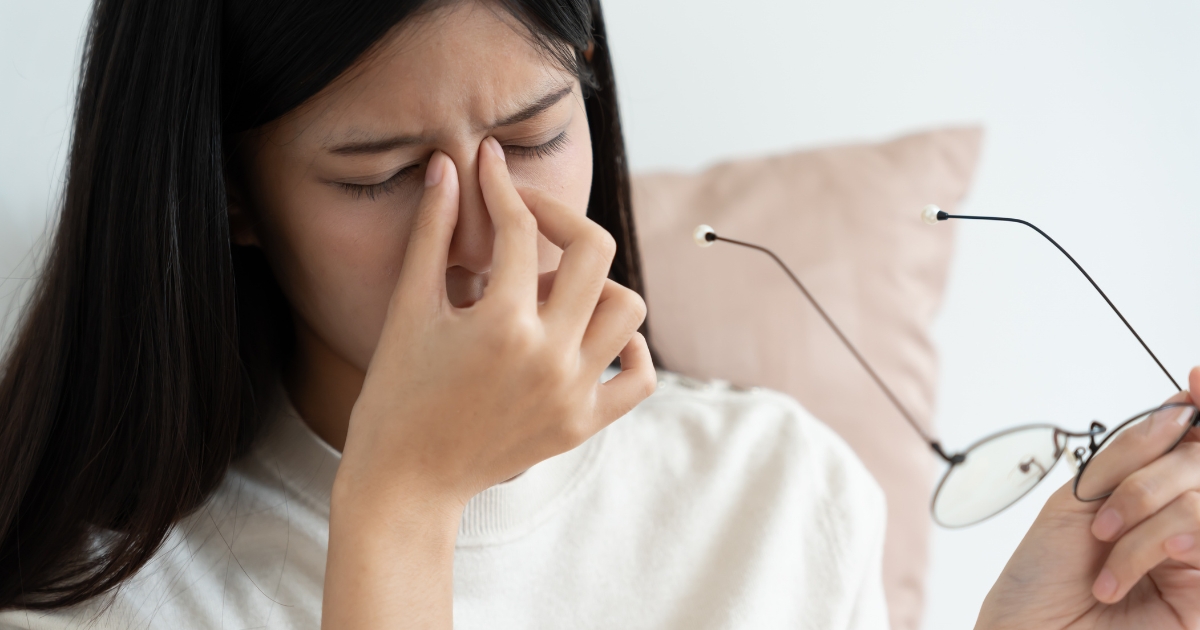
The Physical Health Triggers Behind Constant Irritability
Your body’s internal systems communicate through mood changes, and persistent irritability often signals a physical imbalance that needs correction. Hormonal disruptions rank among the most common yet overlooked culprits. Thyroid disorders, particularly hypothyroidism, can create a constellation of symptoms including fatigue, weight changes, and marked irritability. Perimenopause, menopause, and low testosterone in men create similar effects through hormonal fluctuations that affect neurotransmitter production.
Blood sugar instability creates another physiological pathway to irritability that many people fail to recognize. When glucose levels spike and crash throughout the day, the resulting energy fluctuations trigger stress hormone release and impair emotional regulation. Understanding what causes irritability and anger often requires examining multiple body systems simultaneously — blood sugar, pain pathways, and sleep architecture all interact. Chronic pain conditions also maintain a constant drain on mental resources, as the nervous system remains in a heightened state of alert. This sustained activation makes it difficult to maintain emotional equilibrium.
Nutritional deficiencies represent a third category of physical triggers with direct neurological impact. B vitamins, magnesium, and omega-3 fatty acids all play essential roles in neurotransmitter synthesis and nervous system regulation. Sleep disorders create a vicious cycle where poor sleep amplifies irritability, which then makes restful sleep more difficult.
| Physical Condition | How It Triggers Irritability | Key Diagnostic Indicators |
|---|---|---|
| Thyroid Dysfunction | Disrupts metabolism and neurotransmitter production | Unexplained weight changes, persistent fatigue, cold sensitivity |
| Blood Sugar Instability | Creates energy crashes and stress hormone spikes | Shakiness between meals, intense cravings, energy fluctuations |
| Chronic Pain Conditions | Maintains nervous system in heightened alert state | Persistent discomfort, sleep disruption, reduced activity tolerance |
| Magnesium Deficiency | Increases nervous system excitability | Muscle tension, restless sleep, heightened stress response |
Mental Health Conditions That Manifest as Irritability First
Many people don’t realize that irritability can be a sign of depression, often serving as the primary symptom rather than sadness. Depression in men, adolescents, and individuals with high-functioning presentations frequently shows up as persistent frustration, low frustration tolerance, and a tendency to snap at others. This pattern occurs because depression affects neurotransmitter systems regulating emotional responses while depleting mental resources needed for patience.
Anxiety disorders create irritability through a different mechanism: chronic nervous system hyperarousal. When your body remains in a state of heightened alert for extended periods, the constant vigilance and mental exhaustion make it difficult to respond calmly to everyday stressors. Generalized anxiety disorder, in particular, often presents with marked irritability. The difference between irritability and anger is important to recognize: irritability reflects a lowered threshold for frustration, while anger is a more intense emotional response to specific triggers.
ADHD, bipolar disorder, and trauma-related conditions each have distinct irritability profiles. Adults with undiagnosed ADHD often experience frustration from executive function challenges and difficulty regulating attention. Bipolar disorder may present with irritability during both manic and depressive episodes, sometimes serving as an early warning sign of mood cycling. Post-traumatic stress disorder creates hypervigilance and an exaggerated startle response that manifests as irritability when the nervous system interprets neutral situations as potential threats.
Irritability Symptoms and Warning Signs Requiring Professional Assessment
- Persistent irritability lasting more than two weeks that doesn’t improve with rest or stress reduction
- Sudden irritability for no reason that represents a marked change from your typical temperament
- Irritability accompanied by sleep disturbances, appetite changes, or difficulty concentrating
- Frequent conflicts with family members, coworkers, or friends that weren’t problematic before
- Physical tension, headaches, or digestive issues that worsen alongside mood changes
- Thoughts of self-harm or harming others when frustration peaks
If you or someone you know is in crisis, call or text 988 to reach the Suicide & Crisis Lifeline, available 24/7.
Lifestyle and Environmental Factors Making You More Irritable
If you are wondering, “Why am I so irritable?” chronic stress operates like a slow leak in your emotional reserves, depleting your capacity to handle frustration until even minor inconveniences feel overwhelming. When stress becomes constant rather than episodic, cortisol levels remain elevated and the body never fully returns to a relaxed baseline. This sustained activation increases reactivity to minor triggers. Poor sleep hygiene fragments sleep architecture and prevents restorative deep sleep.
Excessive caffeine consumption — particularly if you’re using it to replace adequate sleep or cope with fatigue — amplifies anxiety and creates a jittery, on-edge feeling that mimics irritability.
Pacific Northwest residents face region-specific factors that contribute to seasonal irritability patterns. Limited sunlight exposure during prolonged rainy seasons affects vitamin D production and serotonin synthesis, creating conditions ripe for seasonal affective patterns that include irritability alongside low mood. Relationship stress, work burnout, and major life transitions — relocations, career changes, grief — all serve as situational triggers that compound over time as your coping resources deplete.
How to Stop Being Irritable All the Time
Addressing persistent irritability requires a multi-pronged approach that targets the specific factors maintaining your symptoms. Start by stabilizing the physical foundations: prioritize consistent sleep schedules, eat balanced meals at regular intervals to maintain steady blood sugar, and limit caffeine intake to morning hours only. Movement helps discharge the physical tension that accompanies irritability.
Cognitive strategies help you create space between trigger and response. When irritability rises, pause to identify the underlying emotion — naming it reduces its intensity. Boundary-setting becomes essential when external demands exceed your capacity; learning to say no or delegate tasks protects your emotional reserves.
When self-help strategies provide only partial relief, professional support offers tools that create lasting change. Therapy identifies patterns and teaches emotion regulation skills. Cognitive-behavioral approaches target thought patterns amplifying frustration, while somatic therapies address physical tension.
| Coping Strategy | Implementation |
|---|---|
| Sleep Stabilization | Maintain consistent bedtime and wake time within a 30-minute window, even on weekends |
| Blood Sugar Balance | Eat protein and fiber with each meal; avoid going more than four hours without food |
| Physical Tension Release | Daily movement for 20–30 minutes; progressive muscle relaxation before bed |
| Emotional Labeling | When irritability surfaces, pause to identify the underlying emotion driving it |
| Boundary Protection | Evaluate commitments weekly; practice saying no to non-essential demands |

When a Short Fuse Signals a Deeper Concern at Treat Mental Health Washington
While occasional irritability is a normal response to stress and life’s inevitable frustrations, persistent irritability that affects your relationships, work performance, or daily functioning deserves professional attention. If self-help strategies provide only partial relief, professional evaluation becomes essential. Treat Mental Health Washington offers comprehensive assessment that identifies root causes — whether medical, psychological, or situational.
The treatment approach depends on what’s driving your symptoms. Evidence-based therapy modalities provide emotion regulation and distress tolerance skills. Coping with constant irritability becomes more manageable when you have a clear diagnosis and a treatment plan tailored to your specific situation. Our compassionate team recognizes that reaching out for help takes courage. Contact Treat Mental Health Washington today to schedule a confidential evaluation and take the first step toward relief.
FAQs
These frequently asked questions address common concerns about persistent irritability and when professional support becomes necessary.
1. What’s the difference between normal irritability and a mental health problem?
Normal irritability is temporary, tied to specific stressors, and resolves when the situation improves. Clinical irritability persists for weeks, occurs without clear triggers, significantly impacts relationships or work functioning, and doesn’t improve with standard stress-reduction techniques.
2. Is irritability a sign of depression?
Yes, irritability frequently serves as the primary symptom of depression, particularly in men, adolescents, and individuals with high-functioning presentations. If you’re snapping at loved ones, feeling constantly frustrated, and losing interest in activities that once brought enjoyment, depression may be present even without obvious sadness.
3. Why do I get so irritable right before my period?
Premenstrual irritability results from fluctuating estrogen and progesterone levels that affect serotonin production in the brain. For some women, this becomes severe enough to qualify as premenstrual dysphoric disorder, a condition that responds well to treatment including therapy, lifestyle modifications, and sometimes medication.
4. How does lack of sleep make me more irritable?
Sleep deprivation impairs the prefrontal cortex, the brain region responsible for emotional regulation, while simultaneously amplifying the amygdala’s stress response. This combination makes you more reactive to minor frustrations and less capable of managing your emotional responses effectively. Even one night of poor sleep can significantly reduce frustration tolerance.
5. When should I see a doctor or therapist about my irritability?
Knowing when to see a doctor for irritability is important: seek help if irritability lasts more than two weeks without improvement, damages important relationships, leads to aggressive behavior, or significantly interferes with work or daily activities. Early intervention prevents escalation and identifies treatable underlying conditions.